



Palatal Expanders
AboutPalatal Expanders
A palatal expander widens a narrow upper jaw to create more room for developing teeth and improve the way the upper and lower teeth fit together. Palatal expanders may be recommended for children with crowding, crossbites, or other problems related to jaw width and development.
About This Service
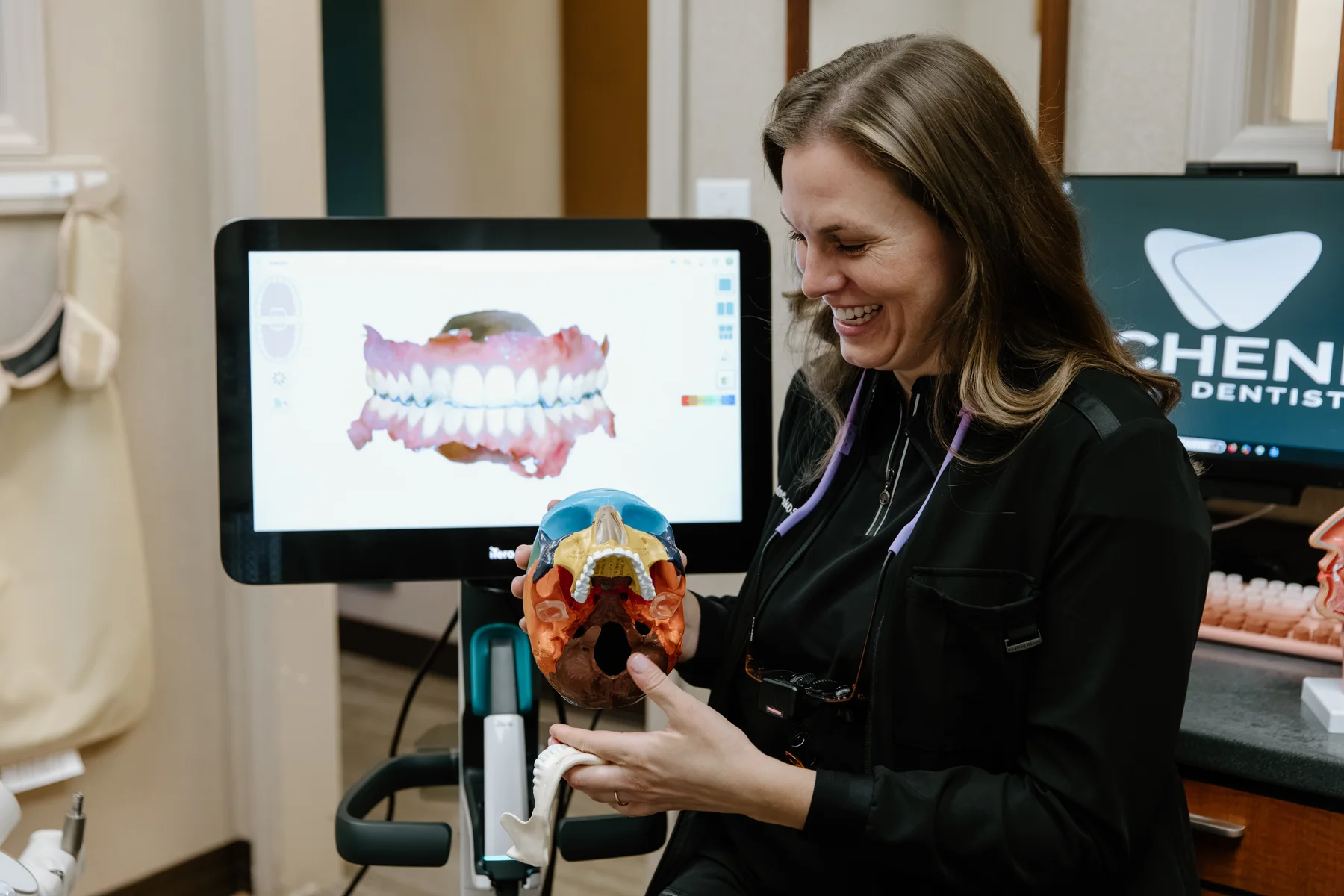
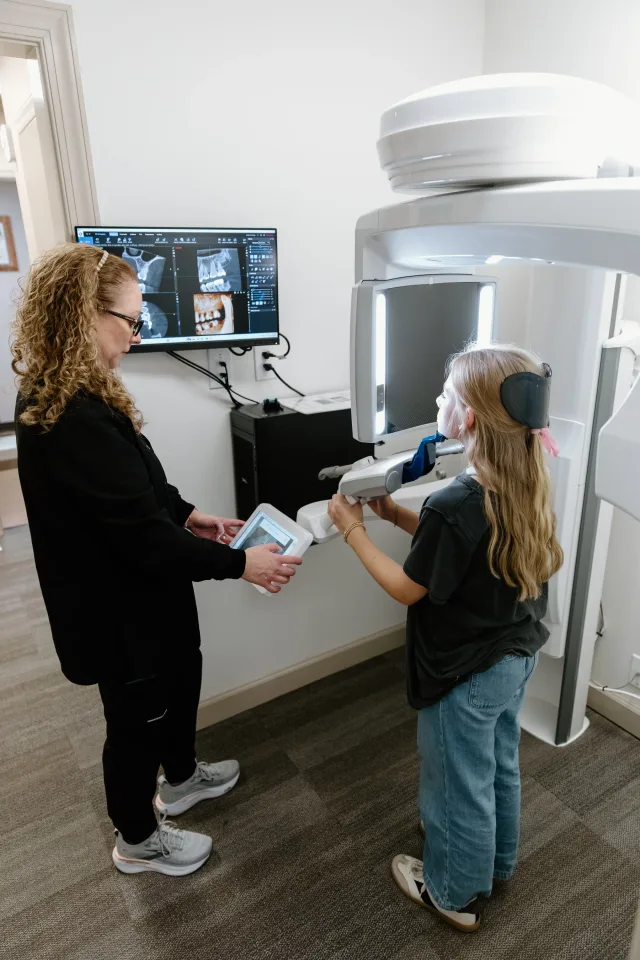
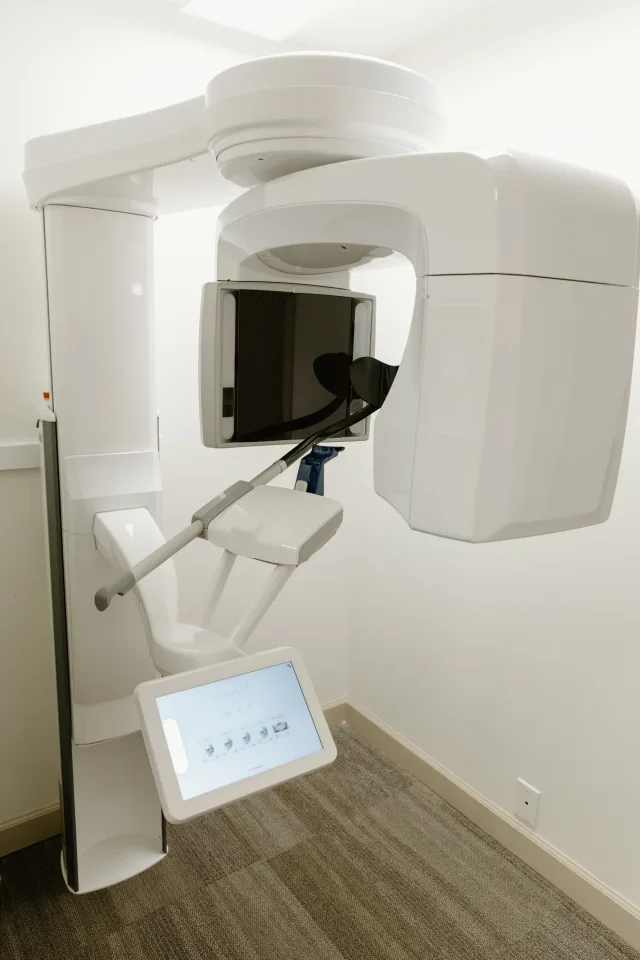
At Schenk Family Dentistry in Mount Airy, NC, Dr. Sydney Schenk and our team evaluate your child’s teeth, bite, and growth before recommending treatment. Using tools such as the iTero Digital Scanner, digital X-rays, and, when appropriate, low-dose Planmeca CBCT, we can assess your child’s needs and clearly explain their treatment options.
Depending on your child’s needs, those options may include a traditional Hyrax Rapid Palatal Expander (RPE) or an Invisalign Palatal Expander.
Palatal Expander Options We Offer
Schenk Family Dentistry offers two approaches to palatal expansion: the Hyrax Rapid Palatal Expander and the Invisalign Palatal Expander.
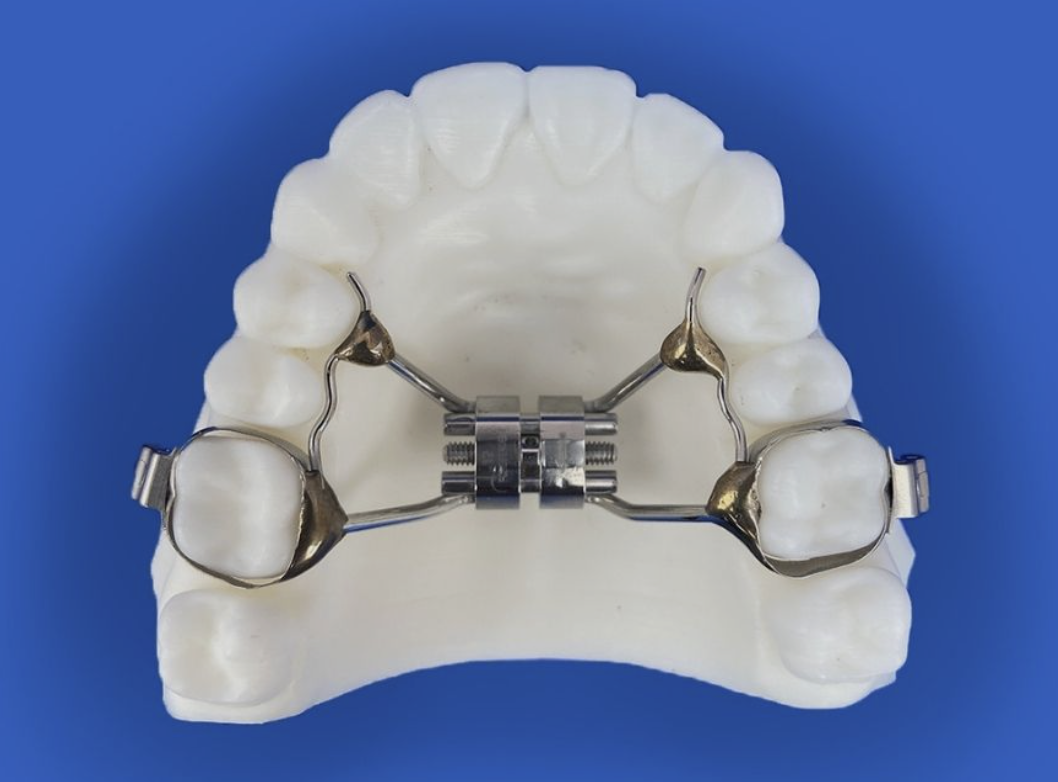
A Hyrax RPE is a fixed metal appliance attached to the back teeth. A screw in the center of the appliance is activated according to a prescribed schedule to gradually widen the upper jaw.
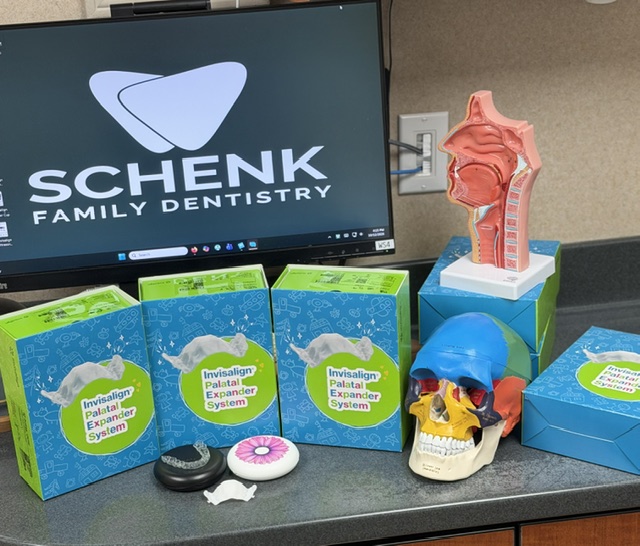
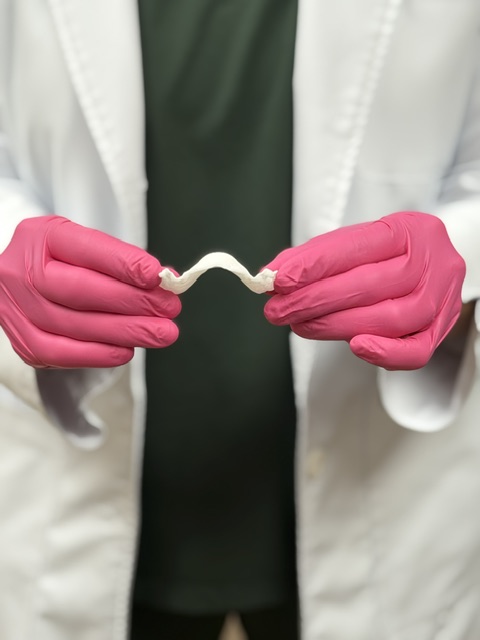
The Invisalign Palatal Expander is a removable system that uses a series of custom 3D-printed expanders. Each expander is designed to produce a small, prescribed amount of expansion as your child progresses through the series.
Both options are designed to address a narrow upper jaw, but the right choice depends on your child’s anatomy, growth, bite, and treatment needs.
Why Would a Child Need a Palatal Expander?
When the upper jaw is too narrow, the upper and lower teeth may not fit together properly. A palate expander can create additional width in the upper jaw, helping make room for developing permanent teeth and improving bite relationships.
Signs that a child may benefit from an evaluation for palatal expansion include:
- A crossbite, where some upper teeth sit inside the lower teeth
- Significant crowding or limited room for permanent teeth
- Uneven jaw development
- Shifting of the jaw when biting down
In some patients, expansion may also increase space within the nasal airway. However, palatal expanders are primarily used to address jaw width, dental development, and bite concerns.
An early evaluation can help determine whether expansion is appropriate and when treatment should begin.
How Does the Invisalign Palatal Expander Work?
The Invisalign Palatal Expander System uses a series of removable, custom 3D-printed expanders to gradually widen the upper jaw.
We begin by capturing your child’s dental anatomy with an iTero Digital Scanner and completing any other imaging needed for treatment planning. A series of expanders is then prescribed based on the amount and pattern of expansion your child needs.
Your child progresses through the expanders according to the treatment plan. Because the appliance is removable, it can be taken out for brushing and oral hygiene.
Throughout treatment, we monitor your child’s progress and ensure expansion is progressing as planned.
What Is a Hyrax Rapid Palatal Expander?
A Hyrax Rapid Palatal Expander, or RPE, is a fixed metal appliance that attaches to the back teeth and uses a central screw to widen the upper jaw.
Parents or caregivers typically activate the screw at home according to specific instructions from the dental team. The appliance applies controlled outward pressure to expand the upper jaw in a growing patient.
Treatment generally involves:
- An initial examination and digital imaging
- Placement of the appliance
- At-home activation according to instructions
- Follow-up visits to monitor expansion
- A retention period to help maintain the new width
There can be an adjustment period as a child gets used to speaking and eating with the appliance. Our team explains how to care for the expander and what families can expect throughout treatment.
Hyrax vs. Invisalign Palatal Expander
Both appliances can be used to widen a narrow upper jaw, but they work differently.
Hyrax Rapid Palatal Expander
- Fixed in the mouth
- Made primarily of metal
- Uses a central screw for activation
- Cannot be removed for eating or brushing
- Requires cleaning around the appliance
Invisalign Palatal Expander
- Removable
- Custom 3D-printed for the patient
- Uses a prescribed series of expanders rather than a screw
- Can be removed for oral hygiene
- Progresses through small planned increments of expansion
Neither option is automatically better for every child. Dr. Sydney Schenk will consider your child’s growth, anatomy, bite, and treatment goals when recommending an approach.
What Age Is Best for a Palatal Expander?
Palatal expansion is often most straightforward while a child is still growing and the structures of the upper jaw are responsive to expansion.
There is no single best age for every patient. The ideal timing depends on your child’s dental development, jaw growth, bite, and the type of problem being treated.
Older teenagers and adults may still have options for expansion, although treatment can become more complex as skeletal maturity increases. Some adults may require additional procedures or referral for specialized care.
If you are concerned about crowding, a crossbite, or the width of your child’s upper jaw, an evaluation with Dr. Sydney Schenk can help determine whether treatment is needed and when it should begin.
What to Expect at Schenk Family Dentistry
Your child’s first visit begins with an evaluation of their teeth, bite, and jaw development. We use digital imaging when appropriate to better understand the underlying anatomy and help families see what we are evaluating.
If palatal expansion is recommended, we will explain:
- Why treatment may be beneficial
- Which type of expander may be appropriate
- How the appliance works
- What your child can expect during treatment
- How to care for the appliance
- How progress will be monitored
Follow-up appointments allow us to evaluate expansion and determine when the active phase of treatment is complete. A retention phase may follow to help maintain the new jaw width.
When appropriate, we also coordinate care with pediatric dentists or orthodontists.
Frequently Asked Questions About Palatal Expanders
What does a palatal expander do?
A palatal expander widens a narrow upper jaw. This can create additional space for developing teeth and improve the way the upper and lower teeth fit together.
Does a palatal expander hurt?
Children may notice pressure or temporary discomfort when expansion begins or when they change to a new stage of treatment. The experience varies from child to child. We explain what to expect and monitor your child throughout treatment.
Is an Invisalign Palatal Expander removable?
Yes. The Invisalign Palatal Expander is a removable appliance made as a series of custom 3D-printed expanders. It can be removed for oral hygiene and is worn according to the prescribed treatment plan.
What is the difference between a Hyrax and an Invisalign Palatal Expander?
A Hyrax RPE is a fixed metal appliance that uses a central screw for expansion. The Invisalign Palatal Expander is removable and uses a series of custom 3D-printed expanders instead of a screw. Which option is appropriate depends on the individual patient.
How long does palatal expansion take?
Treatment time varies depending on the amount of expansion needed, the appliance used, your child’s growth, and how their jaw responds. Dr. Sydney Schenk can provide a more specific treatment estimate after evaluating your child.
Does every child with crowded teeth need a palate expander?
No. Crowding can have several causes, and palatal expansion is appropriate only when widening the upper jaw is part of your child’s treatment. An evaluation can determine the cause of the crowding and the most appropriate approach.
Palatal Expanders in Mount Airy, NC
If your child has crowding, a crossbite, or signs of a narrow upper jaw, Schenk Family Dentistry can help you understand whether palatal expansion should be considered.
Dr. Sydney Schenk will evaluate your child’s growth and bite, review the available options, and explain whether a Hyrax RPE, Invisalign Palatal Expander, observation, or another approach makes the most sense.
Call Schenk Family Dentistry in Mount Airy, NC, to schedule an evaluation and learn more about palatal expanders for your child.

See why
our patientslove us
We’re proud to provide care that makes a lasting impact, and our patients’ experiences reflect that commitment. Hear from the families who trust Schenk Family Dentistry with their smiles.
My experience at Schenk Family Dentistry was great. Everyone was very nice and patient. They let me know what was going on the whole time I was there and answered all my questions. I'm definitely happy to have them as my new dental facility and I highly recommend them for any family to join!
I have been using this dental office for 10+ years and have never been disappointed with my results after an appointment. I would highly recommend this office for anyone looking for a professional dentist office, where everyone is nice and seems to genuinely care about your teeth. Also my Family living in the Mount Airy area also all use this office for all of their dental needs. Keep up the great work Schenk family Dentistry.
Dr. Schenk and her staff are absolutely fantastic from start to finish! They are very knowledgeable and helpful throughout the dental process.
Great people Sydney does a great job keeping you informed on what's going on. Always shares a laugh with you.